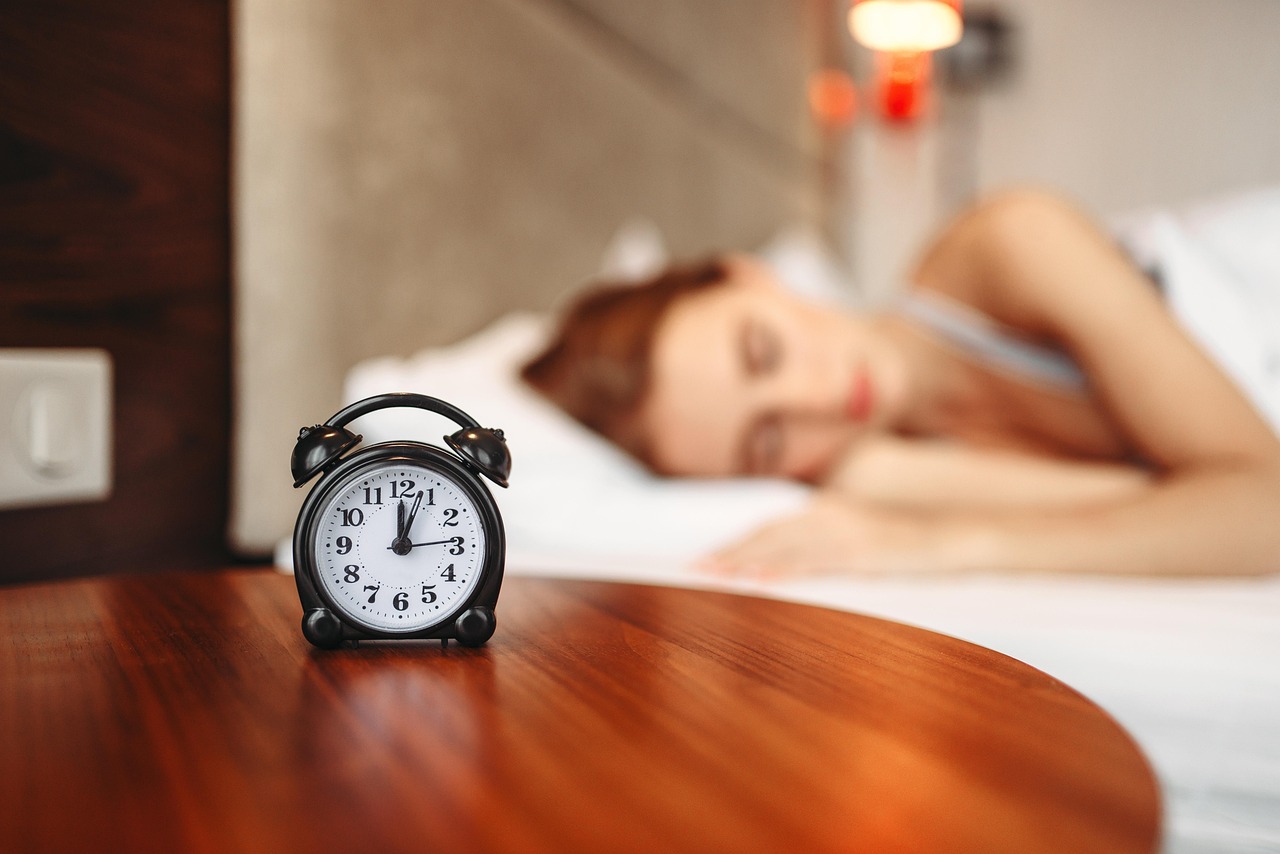
Your body follows an internal clock that governs when you feel alert, tired, hungry, and focused. Understanding and optimizing this natural rhythm can transform your productivity, health, and overall well-being in ways you never imagined possible.

Modern technology now offers sophisticated tools to track, analyze, and optimize your circadian rhythms through innovative scoring systems. These circadian stability scoring dashboards provide personalized insights that help you align your daily activities with your biological prime time, unlocking unprecedented levels of performance.
🕐 Understanding Your Circadian Rhythm: The Foundation of Peak Performance
Your circadian rhythm is a 24-hour internal clock running in the background of your brain, cycling between sleepiness and alertness at regular intervals. This biological timekeeper is influenced by environmental cues, primarily light and darkness, but also temperature, meal timing, and physical activity patterns.
When your circadian rhythm functions optimally, you experience natural energy peaks during the day and restorative sleep at night. However, modern lifestyles often disrupt these patterns through irregular sleep schedules, excessive artificial light exposure, shift work, jet lag, and inconsistent meal times.
The consequences of circadian disruption extend far beyond feeling tired. Research has linked circadian misalignment to decreased cognitive function, impaired decision-making, weakened immune response, metabolic disorders, and increased risk of chronic diseases including diabetes, cardiovascular issues, and mood disorders.
📊 What Are Circadian Stability Scoring Dashboards?
Circadian stability scoring dashboards are advanced analytical platforms that measure, track, and visualize your circadian rhythm consistency over time. These systems collect data from various sources including sleep tracking devices, light exposure monitors, activity trackers, and subjective assessments to generate comprehensive stability scores.
Unlike simple sleep trackers that only monitor nighttime rest, circadian dashboards provide a holistic view of your 24-hour biological cycles. They analyze patterns in your sleep-wake timing, light exposure, physical activity, meal schedules, and cognitive performance to assess how consistently you maintain your natural rhythms.
The stability score itself typically ranges from 0 to 100, with higher scores indicating greater consistency in your circadian patterns. This single metric provides an at-a-glance understanding of your rhythm stability, while detailed breakdowns reveal specific areas requiring attention.
Key Metrics Tracked by Advanced Dashboards
Comprehensive circadian stability dashboards monitor multiple interconnected variables that influence your biological clock:
- Sleep timing consistency: Variations in bedtime and wake time across days
- Light exposure patterns: Bright light timing, duration, and intensity throughout the day
- Activity rhythms: Physical movement patterns and exercise timing
- Meal timing regularity: Consistency in eating windows and fasting periods
- Core body temperature fluctuations: Natural temperature variations aligned with circadian phases
- Cognitive performance windows: Attention, memory, and reaction time across different hours
- Social jet lag: Discrepancies between weekday and weekend schedules
🚀 How Circadian Stability Scoring Unlocks Peak Performance
The power of circadian stability scoring lies in its ability to transform abstract biological concepts into actionable insights. By quantifying your rhythm consistency, these dashboards help you identify specific behaviors undermining your performance and guide you toward optimization strategies.
Identifying Your Personal Chronotype
Everyone has a unique chronotype—essentially whether you’re naturally a morning person, night owl, or somewhere in between. Circadian dashboards help you identify your true chronotype by analyzing your natural energy patterns when external constraints are minimized.
Understanding your chronotype allows you to schedule demanding cognitive tasks during your biological prime time, resulting in higher quality work completed in less time with reduced mental strain. This alignment between task demands and circadian capacity represents one of the most powerful performance optimization strategies available.
Optimizing Sleep Architecture
Quality sleep depends not just on duration but on consistent timing that aligns with your circadian rhythm. Dashboards reveal how variations in sleep schedule fragment your sleep architecture, reducing time spent in restorative deep sleep and REM stages.
By maintaining consistent sleep-wake times—even on weekends—you strengthen your circadian signals, leading to faster sleep onset, fewer nighttime awakenings, and more efficient sleep cycles. The dashboard quantifies these improvements, providing motivation to maintain consistent schedules.
Strategic Light Exposure Management
Light is the most powerful synchronizer of your circadian clock. Dashboards track your light exposure patterns and recommend strategic timing to reinforce healthy rhythms. Bright light exposure in the morning advances your clock, promoting earlier wake times and increased morning alertness.
Conversely, limiting blue light exposure in the evening prevents circadian delays that make falling asleep difficult. By following dashboard recommendations for light exposure timing, you can actively sculpt your circadian phase to match your lifestyle requirements.
💡 Implementing Dashboard Insights Into Daily Routines
The true value of circadian stability scoring emerges when you translate dashboard insights into concrete behavioral changes. Here’s how to systematically optimize your rhythm based on your stability scores and detailed analytics.
Morning Optimization Protocol
Your morning routine sets the tone for your entire circadian day. Dashboard data typically reveals that consistent wake times paired with immediate bright light exposure produce the strongest circadian signals and highest morning stability scores.
Implement a morning protocol that includes waking at the same time daily (within a 30-minute window), exposing yourself to bright light within 30 minutes of waking, and engaging in light physical activity. Your dashboard will show improved stability scores as these habits become established.
Peak Performance Window Exploitation
Most people experience their cognitive peak 2-4 hours after waking, with a secondary peak in late afternoon. Your personalized dashboard reveals your specific high-performance windows based on your chronotype and current rhythm stability.
Schedule your most demanding cognitive work—strategic planning, creative problem-solving, complex analysis—during these peak windows. Reserve low-demand tasks like email management and administrative work for circadian troughs, typically early afternoon for most people.
Evening Wind-Down Strategies
Evening behaviors significantly impact both sleep quality and next-day circadian stability. Dashboard data consistently shows that individuals who implement structured wind-down routines achieve higher stability scores and better sleep metrics.
Create an evening protocol that includes dimming lights 2-3 hours before bed, avoiding screens or using blue-light filters, maintaining consistent meal timing, and establishing relaxing pre-sleep rituals. Track how these changes improve your stability scores over subsequent weeks.
📱 Technology Integrations and Tracking Tools
Modern circadian stability dashboards integrate with various devices and applications to automatically collect comprehensive data without requiring manual input. This seamless tracking ensures consistent, objective measurement of your circadian patterns.
Wearable devices like smartwatches and fitness trackers provide continuous monitoring of sleep patterns, physical activity, and sometimes heart rate variability—a useful circadian marker. These devices sync automatically with dashboard platforms, creating a seamless data pipeline.
Smart home devices including intelligent lighting systems can be programmed to support circadian health by automatically adjusting color temperature and brightness throughout the day. When integrated with your dashboard, these systems create environmental conditions that reinforce your target rhythm.
Specialized circadian tracking applications focus specifically on rhythm optimization, offering features like light exposure logging, chronotype assessments, and personalized scheduling recommendations based on your unique patterns.
📈 Interpreting Your Stability Scores and Trends
Understanding what your circadian stability scores actually mean is essential for effective optimization. Scores exist on a continuum, with different ranges indicating varying levels of rhythm consistency and associated performance implications.
| Score Range | Stability Level | Performance Impact |
|---|---|---|
| 80-100 | Excellent | Peak cognitive function, optimal energy, strong immune response |
| 60-79 | Good | Generally solid performance with occasional energy dips |
| 40-59 | Moderate | Noticeable inconsistencies, reduced peak performance capacity |
| 20-39 | Poor | Significant fatigue, impaired cognition, health risk elevation |
| 0-19 | Very Poor | Severe disruption requiring immediate intervention |
More important than any single score is the trend over time. Consistently improving scores indicate successful rhythm optimization, while declining scores signal that recent lifestyle changes or circumstances are disrupting your circadian stability.
Weekly and Monthly Pattern Analysis
Circadian stability dashboards reveal weekly patterns that might not be apparent from daily data. Many people experience “social jet lag”—significant differences between weekday and weekend schedules that repeatedly disrupt circadian alignment.
Monthly views help identify longer-term patterns related to work cycles, travel, seasonal changes, or life events. This broader perspective enables more strategic interventions targeting root causes rather than daily symptom management.
🎯 Advanced Strategies for Elite Performance
Once you’ve established baseline circadian stability with consistent scores above 70, you can implement advanced optimization techniques that elite performers use to extract maximum performance from their biological rhythms.
Strategic Napping Protocols
Properly timed naps can enhance performance without disrupting nighttime sleep or circadian stability. Dashboard data helps determine your optimal nap window—typically 7-8 hours after waking—and ideal duration of 20-30 minutes for most individuals.
Monitor how napping affects your stability scores and nighttime sleep quality. Some chronotypes benefit significantly from naps, while others experience disrupted nighttime sleep and reduced morning alertness.
Circadian Fasting Alignment
Meal timing profoundly influences circadian rhythms through metabolic pathways independent of light exposure. Aligning your eating window with your circadian phase—typically 10-12 hours starting 1-2 hours after waking—can significantly improve stability scores.
Dashboard integrations with nutrition tracking apps allow you to correlate meal timing with stability metrics, revealing your personalized optimal eating window for maximum circadian reinforcement.
Exercise Timing Optimization
Physical activity is a powerful circadian signal, but its effects vary dramatically based on timing. Morning exercise tends to advance your circadian phase (promoting earlier wake times), while evening exercise can delay it.
Use your dashboard data to identify how different exercise timings affect your stability scores and adjust accordingly. Most people achieve highest scores with moderate-intensity exercise in late morning or early afternoon.
🌍 Maintaining Stability During Travel and Disruptions
Life inevitably presents circadian challenges—travel across time zones, shift work requirements, or unexpected schedule disruptions. Circadian stability dashboards become especially valuable during these periods, helping you minimize disruption and recover quickly.
Before traveling across time zones, use your dashboard’s jet lag protocols to pre-shift your rhythm toward your destination time zone. Gradual adjustments of 15-30 minutes daily in the week before travel can significantly reduce jet lag severity.
During travel, the dashboard provides real-time guidance on optimal light exposure, meal timing, and sleep schedules to accelerate adaptation. Post-travel, it tracks your recovery rate and guides interventions to restore stability quickly.
🔬 The Science Behind Stability Scoring
Circadian stability scoring algorithms are grounded in decades of chronobiology research. These systems apply validated mathematical models that assess rhythm consistency using principles derived from studies of circadian physiology and performance optimization.
Advanced dashboards incorporate machine learning algorithms that improve their recommendations as they accumulate more data about your specific patterns and responses. This personalization increases recommendation accuracy and effectiveness over time.
The scoring methodologies typically weight different variables based on their relative influence on circadian stability. Sleep timing consistency generally receives the highest weighting, followed by light exposure patterns and activity rhythms.

⚡ Transforming Your Performance Through Rhythm Optimization
Implementing circadian stability scoring represents a fundamental shift from fighting against your biology to working in harmony with it. Rather than relying on willpower and stimulants to force performance during circadian low points, you strategically align demands with capacity.
The cumulative benefits extend far beyond productivity gains. Users consistently report improved mood stability, enhanced physical performance, stronger immune function, better weight management, and overall increased life satisfaction as their circadian stability improves.
Most people notice initial improvements within 7-10 days of implementing dashboard recommendations, with substantial benefits emerging after 4-6 weeks of consistent application. The key is treating circadian optimization as a long-term practice rather than a quick fix.
Your circadian rhythm represents one of the most powerful yet underutilized performance optimization tools available. By leveraging circadian stability scoring dashboards, you gain unprecedented visibility into your biological timing systems and concrete pathways to unlock your peak performance potential. The technology exists, the science is proven—all that remains is your commitment to aligning your lifestyle with your natural rhythms and watching your performance soar to new heights.