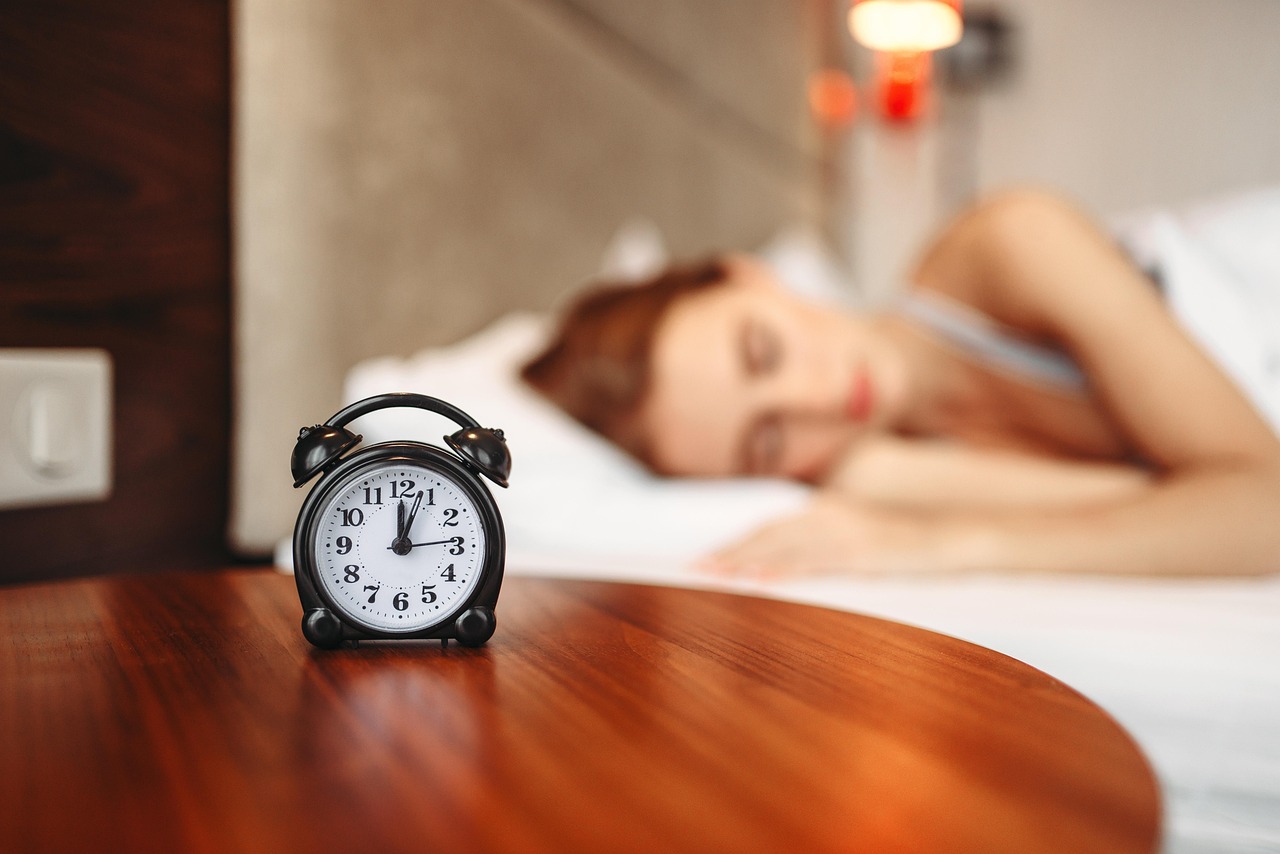
Your body operates on a sophisticated internal timing system that influences everything from hormone release to cognitive function. Understanding and optimizing your circadian rhythm isn’t just about getting better sleep—it’s about unlocking sustained peak performance across all areas of life.

Modern lifestyles have created a profound disconnect between our biological clocks and our daily routines. Artificial lighting, irregular schedules, and constant digital stimulation have disrupted millions of years of evolutionary programming. The consequences extend far beyond occasional fatigue, affecting our metabolism, immune function, mental clarity, and long-term health outcomes.
🔬 The Science Behind Your Biological Timing System
Your circadian rhythm is a 24-hour internal cycle regulated by the suprachiasmatic nucleus (SCN) in your hypothalamus. This master clock coordinates with peripheral clocks throughout your body, creating a synchronized symphony of biological processes. Every cell in your body contains clock genes that regulate when specific functions should occur for optimal efficiency.
Light exposure serves as the primary zeitgeber—a German term meaning “time giver”—that synchronizes your internal clock with the external environment. When photosensitive cells in your retina detect light, they send signals to the SCN, which then orchestrates hormone production, body temperature regulation, and countless metabolic processes.
Research published in leading chronobiology journals demonstrates that approximately 43% of protein-coding genes in mammals show circadian expression patterns. This means nearly half of your genetic activity follows a predictable daily rhythm, influencing when your body is primed for physical exertion, mental work, digestion, or cellular repair.
The Cost of Circadian Disruption
Chronic misalignment between your internal clock and external demands creates what researchers call “social jetlag.” This condition affects an estimated 87% of working adults who use alarm clocks and maintain different sleep schedules on weekdays versus weekends. The metabolic, cognitive, and emotional consequences accumulate over time, contributing to increased risks of obesity, diabetes, cardiovascular disease, and mood disorders.
Shift workers provide the most dramatic evidence of circadian disruption’s impact. Studies show that long-term shift work is associated with a 23% increased risk of myocardial infarction and significantly elevated cancer rates. These findings underscore the critical importance of circadian alignment for long-term health and performance.
⚡ Building Circadian Resilience: A Strategic Framework
Circadian resilience refers to your body’s capacity to maintain optimal biological timing despite environmental challenges and occasional disruptions. Unlike simple habit formation, developing circadian resilience requires a systematic approach that addresses multiple physiological systems simultaneously.
Long-term training modules focus on creating sustainable practices rather than temporary fixes. The goal isn’t perfection but rather building robust systems that can withstand real-world demands while maintaining core alignment principles. This approach recognizes that modern life requires flexibility while establishing non-negotiable anchors for your biological clock.
Phase One: Establishing Your Baseline Rhythm
Before implementing any optimization strategies, you must understand your current circadian profile. This involves tracking multiple biomarkers over 7-14 days to identify your natural patterns and existing disruptions. Key metrics include wake times, sleep onset, energy peaks and valleys, meal times, exercise timing, and exposure to natural light.
Keep a detailed log documenting when you feel most alert, when concentration becomes difficult, and when physical performance peaks. Note your body temperature patterns if possible, as core temperature follows a predictable circadian curve that reveals much about your internal timing. Document any medications, caffeine consumption, and alcohol intake, as these substances significantly influence circadian markers.
Phase Two: Light Exposure Optimization
Strategic light exposure represents the most powerful tool for circadian entrainment. Your training protocol should prioritize morning bright light exposure within 30-60 minutes of waking. Aim for at least 10,000 lux for 20-30 minutes, which you can achieve through outdoor time or specialized light therapy devices.
Natural sunlight provides the ideal spectrum and intensity, but consistency matters more than perfection. Even on cloudy days, outdoor light exposure delivers significantly more circadian-effective illumination than indoor environments. Make morning light exposure a non-negotiable anchor in your daily routine, comparable to brushing your teeth or having breakfast.
Evening light management requires equal attention. Begin dimming artificial lights 2-3 hours before your target bedtime. Reduce exposure to short-wavelength blue light, which most powerfully suppresses melatonin production. Use warm-colored bulbs, enable blue light filters on electronic devices, or wear blue-blocking glasses during evening hours.
🏋️ Synchronizing Exercise with Your Biological Clock
Exercise timing profoundly impacts both circadian entrainment and performance outcomes. Your body temperature, hormone levels, and neuromuscular function follow predictable daily patterns that create windows of enhanced athletic capacity and recovery.
Research consistently shows that physical performance peaks in the late afternoon and early evening, typically between 4:00 PM and 8:00 PM. During these hours, body temperature reaches its daily maximum, reaction times quicken, muscle strength increases, and perceived exertion decreases. Scheduling high-intensity workouts during this window maximizes both performance and training adaptations.
Morning exercise offers different benefits, particularly for circadian entrainment. Early workouts combined with bright light exposure create powerful zeitgeber signals that advance your circadian phase. This makes morning exercise especially valuable for night owls seeking to shift their timing earlier or for combating social jetlag accumulated over weekends.
Exercise Timing Guidelines for Circadian Optimization
- High-intensity interval training and maximum strength efforts: 4:00 PM – 8:00 PM
- Endurance and aerobic base building: flexible timing based on preference and schedule
- Circadian phase advancement (becoming an earlier riser): 6:00 AM – 9:00 AM outdoors
- Recovery and flexibility work: late morning or early afternoon
- Activities to avoid close to bedtime: intense cardio within 3 hours of sleep
Consistency in exercise timing creates additional entrainment signals beyond light exposure. Your body anticipates regular physical activity, preparing appropriate hormonal and metabolic responses in advance. This anticipatory regulation enhances both performance during exercise and recovery afterward.
🍽️ Chrononutrition: Eating in Alignment with Your Internal Clock
When you eat matters as much as what you eat for circadian optimization. Time-restricted eating (TRE) has emerged as a powerful strategy for strengthening circadian rhythms while delivering metabolic benefits. This approach involves condensing your daily food intake into a consistent 8-12 hour window, ideally aligned with daylight hours.
Your digestive system, metabolic enzymes, and hormone responses follow circadian patterns that make early meals more efficiently processed than late-night eating. Insulin sensitivity peaks in the morning and progressively declines throughout the day, meaning your body handles carbohydrates better at breakfast than at dinner.
A chrononutrition-based eating schedule might look like this: break your overnight fast within 1-2 hours of waking with a substantial breakfast containing protein, healthy fats, and complex carbohydrates. Consume your largest meal at midday when digestive capacity peaks. Keep dinner moderate and finish eating at least 3 hours before bedtime to allow complete digestion before sleep.
Strategic Nutrient Timing for Performance
Certain nutrients and compounds interact directly with circadian clock mechanisms. Caffeine blocks adenosine receptors and shifts circadian phase timing, making strategic consumption a useful tool. Consume caffeine only in the morning and early afternoon, ceasing intake at least 8-10 hours before bedtime to prevent sleep interference.
Tryptophan-rich foods consumed in the evening support melatonin production, as this amino acid serves as a precursor for serotonin and subsequently melatonin. Turkey, chicken, eggs, cheese, and pumpkin seeds provide excellent sources. Combine these with complex carbohydrates to enhance tryptophan uptake across the blood-brain barrier.
💤 Sleep Architecture and Recovery Optimization
Quality sleep represents the foundation of circadian health, yet it’s the aspect most commonly compromised in modern lifestyles. Your sleep architecture—the structure and progression through different sleep stages—depends heavily on proper circadian alignment. Misalignment fragments sleep, reduces restorative deep sleep, and impairs memory consolidation during REM stages.
Establish a consistent sleep schedule that allows 7-9 hours of sleep opportunity, maintaining the same wake time even on weekends. Your wake time serves as a more powerful entrainment signal than bedtime, so prioritize wake time consistency above all else. This single intervention can dramatically improve circadian alignment within 2-3 weeks.
Create an optimal sleep environment by maintaining bedroom temperature between 60-67°F (15-19°C), ensuring complete darkness, and minimizing noise disruptions. Your core body temperature must drop to initiate and maintain sleep, so a cool environment facilitates this necessary thermoregulatory shift.
Pre-Sleep Routine for Enhanced Recovery
Develop a consistent wind-down routine beginning 60-90 minutes before bed. This ritual signals your body that sleep approaches, triggering appropriate physiological preparations. Include activities that promote relaxation without excessive mental or physical stimulation.
Effective pre-sleep activities include light stretching, reading physical books, meditation or breathwork practices, taking a warm bath or shower (the subsequent cooling enhances sleep onset), and journaling to clear mental clutter. Avoid vigorous debate, work-related tasks, financial planning, or consuming disturbing news content during this window.
📱 Technology Integration for Circadian Tracking
Modern wearable devices and smartphone applications offer unprecedented insights into your circadian patterns and sleep quality. Heart rate variability, skin temperature, movement patterns, and sleep staging data provide objective metrics to complement subjective assessments.
Select tracking tools that measure multiple biomarkers rather than relying solely on accelerometer-based movement detection. Advanced devices monitor heart rate variability throughout the night, providing insights into autonomic nervous system balance and recovery status. Temperature sensors reveal your circadian phase position more accurately than activity patterns alone.
Use tracking data to identify patterns rather than obsessing over individual nights. Weekly and monthly trends reveal circadian alignment progress more reliably than daily fluctuations. Look for improvements in sleep efficiency, consistency in wake times, and increased time in deep sleep stages as indicators of enhanced circadian health.
🌍 Managing Travel and Shift Work Challenges
Real-world demands often require circadian flexibility. Business travel across time zones and shift work present significant challenges, but strategic interventions can minimize disruption and accelerate re-entrainment.
For travel crossing fewer than three time zones, maintaining your home schedule often works best for trips under four days. Your circadian system resists rapid shifts, and attempting adjustment for brief trips may cause more disruption than benefit. For longer trips or larger time zone changes, begin shifting your schedule 2-3 days before departure.
Jet Lag Recovery Protocols
Upon arrival in a new time zone, immediately adopt the local schedule for meals, activity, and light exposure. Seek bright light exposure during the local morning and early afternoon, avoiding bright light during what would be evening hours in your destination. This light exposure pattern provides the strongest zeitgeber signal for rapid re-entrainment.
Strategic caffeine use can temporarily mask fatigue during the adjustment period. Consume caffeine only during the local morning and early afternoon, never extending intake into evening hours. Consider short naps (20-30 minutes) if desperately needed, but avoid longer naps that could interfere with nighttime sleep and delay adjustment.
For shift workers, consistency within your schedule type provides more benefit than constantly shifting between day and night schedules. If working permanent night shifts, maintain that schedule even on days off when possible. If rotating shifts, request forward rotation (day to evening to night) rather than backward rotation, as forward shifts align better with your endogenous circadian period.
🎯 Long-Term Implementation and Habit Stacking
Sustainable circadian optimization requires integrating practices into existing routines rather than creating entirely new schedules. Habit stacking—attaching new behaviors to established habits—increases compliance and reduces decision fatigue.
Stack morning light exposure with your existing coffee or breakfast routine. Take your morning beverage outside or sit by a bright window while consuming it. Attach your evening light-dimming practice to dinner preparation or family time. Link your pre-sleep routine to established personal care habits like brushing teeth or skincare.
Start with one or two high-impact interventions rather than attempting comprehensive changes simultaneously. Consistent wake times and morning light exposure provide the greatest return on investment for circadian entrainment. Master these foundational practices before adding additional optimizations.
Measuring Progress and Adjusting Your Protocol
Assess your circadian health every 4-6 weeks using both objective and subjective measures. Track improvements in sleep quality, daytime energy levels, cognitive performance during challenging tasks, and physical performance metrics. Monitor changes in body composition, as improved circadian alignment often facilitates favorable metabolic shifts.
Expect gradual improvement rather than immediate transformation. Your circadian system requires weeks to months for substantial re-entrainment, particularly if you’re reversing years of misalignment. Patience and consistency deliver better outcomes than aggressive interventions followed by abandonment when results don’t appear immediately.
🚀 Advanced Strategies for Peak Performers
Once you’ve established foundational circadian practices, advanced strategies can further optimize performance. Polyphasic sleep schedules, strategic napping protocols, and circadian-based cognitive task scheduling allow you to leverage your biological rhythms for competitive advantages.
Schedule cognitively demanding work requiring sustained attention and complex problem-solving during your circadian peak, typically 2-4 hours after waking and again in the late morning. Reserve routine administrative tasks for your post-lunch dip, when alertness naturally decreases. Use your late afternoon performance peak for creative work, presentations, or important meetings.
Strategic napping between 1:00 PM and 3:00 PM aligns with a natural circadian dip in alertness. Brief naps of 10-20 minutes provide immediate refreshment without causing sleep inertia. Longer naps of 60-90 minutes allow complete sleep cycles, enhancing memory consolidation and creative problem-solving, though they require more recovery time upon waking.

🌟 The Compound Benefits of Circadian Mastery
Optimizing your circadian rhythm creates cascading benefits across multiple life domains. Improved sleep quality enhances emotional regulation, reducing anxiety and mood volatility. Better metabolic function supports body composition goals and reduces disease risk. Enhanced cognitive performance increases productivity and decision-making quality.
Athletic performance improvements manifest through better training adaptations, reduced injury risk, and enhanced recovery capacity. Immune function strengthens, reducing illness frequency and severity. Hormone optimization supports fertility, libido, and overall vitality. These benefits compound over months and years, creating substantial differences in health span and quality of life.
The investment in circadian health delivers returns that extend far beyond any single performance metric. You’re not just optimizing for today’s workout or tomorrow’s presentation—you’re building a foundation for sustained excellence across decades. Your body clock, when properly entrained and supported, becomes a powerful ally in achieving your most ambitious goals while maintaining the energy and health to enjoy the journey.
Mastering your circadian rhythm represents one of the highest-leverage interventions available for human optimization. Unlike many performance strategies requiring expensive equipment, specialized coaching, or genetic advantages, circadian alignment is accessible to everyone willing to prioritize consistency and make strategic lifestyle adjustments. Start with the foundational practices, build gradually, and watch as your enhanced biological timing unlocks performance levels you didn’t know were possible.