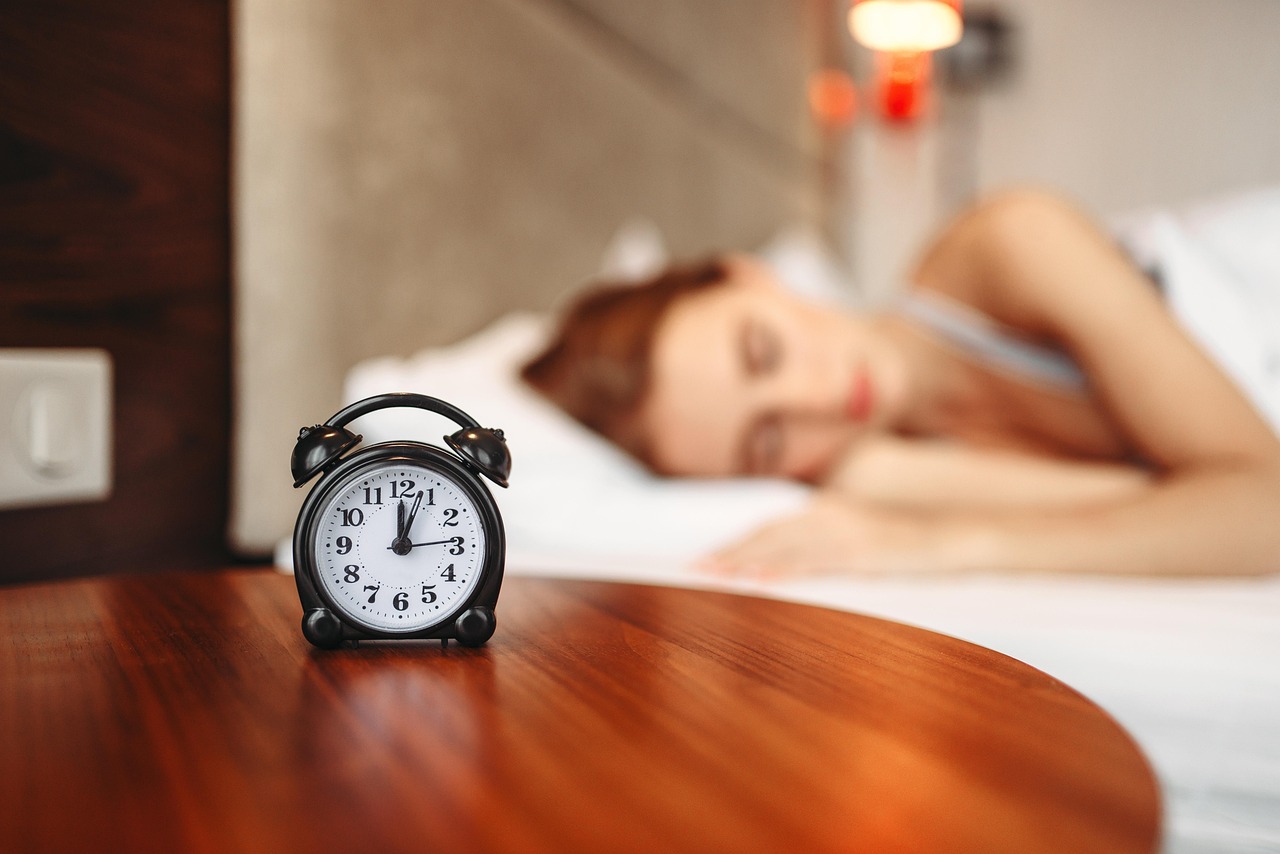
Power naps have transformed from a luxury into a strategic tool for workplace productivity. Modern research reveals that perfectly timed rest periods can dramatically enhance cognitive function, creativity, and overall job performance.

In today’s fast-paced business environment, understanding the science behind effective napping isn’t just beneficial—it’s essential. The right nap at the right time can mean the difference between an afternoon slump and peak performance. This comprehensive guide will walk you through optimizing your rest periods using timing charts and scientific principles to maximize your workplace productivity.
🧠 The Science Behind Power Napping
Sleep researchers have spent decades studying the relationship between short rest periods and cognitive enhancement. The human brain operates in cycles called ultradian rhythms, experiencing natural dips in alertness approximately every 90 minutes. These biological patterns create ideal windows for restorative rest that can recharge mental batteries without disrupting nighttime sleep.
When you nap, your brain moves through distinct sleep stages. Understanding these stages is crucial for timing your power nap correctly. Light sleep begins within minutes, offering mild refreshment. However, the magic happens between 10 and 20 minutes when your brain achieves optimal rest without entering deep sleep phases that cause grogginess.
NASA conducted groundbreaking research on pilot fatigue, discovering that a 26-minute nap improved performance by 34% and alertness by 54%. These findings revolutionized how we view workplace rest periods, establishing scientific credibility for what many cultures have practiced for centuries.
⏰ Perfect Timing: When to Schedule Your Power Nap
The timing of your power nap matters just as much as its duration. Your circadian rhythm, the internal biological clock governing sleep-wake cycles, creates specific windows when napping provides maximum benefit with minimum disruption to nighttime sleep.
The Optimal Nap Window
Most people experience their strongest post-lunch dip between 1:00 PM and 3:00 PM. This period, roughly seven to eight hours after waking, represents the ideal napping window. Your body temperature naturally drops, alertness wanes, and sleep comes more easily during these hours.
Early afternoon napping aligns with biological rhythms without interfering with nighttime sleep. Napping after 4:00 PM can disrupt your evening sleep cycle, creating a counterproductive pattern that reduces overall sleep quality and next-day productivity.
Individual Chronotype Considerations
Your chronotype—whether you’re a morning lark or night owl—influences optimal nap timing. Morning people may benefit from slightly earlier naps around 12:30 PM, while evening types might find 2:30 PM more suitable. Experiment within the safe afternoon window to discover your personal sweet spot.
📊 Duration Guide: Matching Nap Length to Your Goals
Different nap durations serve different purposes. Understanding these variations helps you select the appropriate length based on your immediate needs and available time.
The 10-20 Minute Power Boost
This classic power nap duration provides immediate alertness without sleep inertia. You’ll wake feeling refreshed and ready to tackle tasks requiring focus and attention. This length is perfect for quick recharge sessions during busy workdays when time is limited but energy restoration is crucial.
Research shows these brief rest periods enhance motor learning, improve logical reasoning, and boost mood. They’re particularly effective for tasks requiring sustained attention like data analysis, coding, or detailed administrative work.
The 30-Minute Moderate Rest
Extending your nap to 30 minutes risks entering deeper sleep stages. You might experience temporary grogginess upon waking, a phenomenon called sleep inertia. However, once this passes—typically within 15-30 minutes—you may experience enhanced creativity and memory consolidation benefits.
This duration works well when you have flexibility in your schedule and upcoming tasks don’t require immediate sharp focus. Creative professionals often find this length valuable for problem-solving breakthroughs.
The 60-90 Minute Deep Restoration
Longer naps allow complete sleep cycle completion, including REM (rapid eye movement) sleep. These extended rest periods significantly boost creativity, procedural memory, and emotional processing. However, they require careful scheduling to avoid nighttime sleep disruption and typically work best on weekends or during extremely demanding work periods.
🎯 Creating Your Personal Power Nap Chart
A personalized timing chart helps you systematically optimize your napping practice. Track your experiences over two weeks to identify patterns and refine your approach.
| Time | Duration | Best For | Energy Level Post-Nap |
|---|---|---|---|
| 12:00-1:00 PM | 10-20 min | Early lunch break, quick refresh | High alertness, minimal inertia |
| 1:00-2:00 PM | 15-20 min | Standard post-lunch dip | Optimal for most people |
| 2:00-3:00 PM | 10-20 min | Late lunch schedules, night owls | Good refresh without sleep interference |
| 3:00-4:00 PM | 10 min max | Emergency energy only | May affect evening sleep |
💼 Implementing Power Naps in Different Work Environments
Successfully integrating power naps into your workday requires adapting to your specific workplace culture and physical environment. Different settings demand different strategies.
Traditional Office Settings
Many progressive companies now provide dedicated nap rooms recognizing the productivity benefits. If your workplace lacks these facilities, identify quiet spaces like empty conference rooms, your parked car, or even a comfortable chair in a secluded corner. Communicate with your supervisor about your productivity optimization strategy, backing your request with research data.
Set clear boundaries with colleagues, perhaps using a “do not disturb” sign during your nap window. Consistency helps establish respect for your rest period as other team members observe your improved afternoon performance.
Remote Work Advantages
Home-based workers enjoy ideal napping conditions with private spaces and flexible schedules. However, this freedom requires discipline. Maintain consistent timing rather than spontaneous napping, which can disrupt circadian rhythms and reduce effectiveness.
Create a dedicated nap space separate from your workspace to psychologically distinguish rest from work. This separation enhances sleep quality and helps you transition back to productive mode afterward.
Shift Workers and Non-Traditional Schedules
If you work irregular hours, adjust your nap timing to align with your personal circadian low point. This typically occurs during the longest stretch between sleep periods. Night shift workers might nap before starting work or during scheduled breaks, timing rest to support alertness during peak performance hours.
🛠️ Tools and Techniques for Perfect Power Napping
Optimizing your power nap extends beyond timing. Several practical tools and techniques can significantly enhance your rest quality and awakening experience.
Environment Optimization
Control light exposure using an eye mask to block visual stimuli that prevent sleep onset. Even brief light exposure signals wakefulness to your brain, making it harder to relax quickly. Darkness triggers melatonin production, facilitating faster sleep entry.
Manage noise with earplugs, white noise, or noise-canceling headphones. Consistent ambient sound masks disruptive noises without creating silence so complete it becomes distracting. Many people find gentle nature sounds or binaural beats particularly effective.
Temperature matters significantly. Slightly cool environments promote better sleep quality. If you can’t control room temperature, adjust your clothing or use a light blanket strategically.
Pre-Nap Rituals
Develop a consistent pre-nap routine signaling your brain that rest is imminent. This might include dimming lights, sipping herbal tea, or performing brief relaxation exercises. Consistency trains your mind to transition into sleep mode more efficiently.
The “coffee nap” technique involves consuming caffeine immediately before your power nap. Caffeine takes approximately 20 minutes to enter your bloodstream, so you’ll wake naturally as it kicks in, feeling doubly energized. This counterintuitive method is backed by research showing enhanced alertness compared to napping or coffee alone.
Strategic Wake-Up Methods
Set multiple gentle alarms rather than relying on a single jarring sound. Progressive alarm volume helps you wake gradually, reducing sleep inertia. Position your alarm device slightly out of reach, requiring minor physical movement that aids the waking process.
Napping apps designed specifically for power naps can help you track patterns, optimize timing, and wake gently. These applications often include features like sleep cycle detection and gradual wake-up sounds.
📈 Measuring Your Power Nap Success
Tracking nap effectiveness helps you refine your approach and quantify productivity improvements. Systematic measurement reveals which variables most impact your personal results.
Key Metrics to Monitor
Record your energy levels before and after napping using a simple 1-10 scale. Track how quickly you fall asleep—prolonged sleep onset might indicate poor timing or environmental factors. Note any grogginess upon waking and how long it persists, as this suggests your duration may need adjustment.
Monitor afternoon productivity metrics relevant to your work. This might include tasks completed, quality ratings, error rates, or creative output. Compare nap days against non-nap days to observe patterns over several weeks.
Adjustment Indicators
Difficulty falling asleep signals you might be napping too late in the day or that you’re not experiencing sufficient sleep pressure. Persistent grogginess upon waking suggests your naps are too long, allowing you to enter deeper sleep stages.
If nighttime sleep quality declines, your naps may be too long or too late. Conversely, if afternoon productivity remains low despite regular napping, experiment with timing adjustments or address potential sleep debt from insufficient nighttime rest.
🚀 Advanced Power Napping Strategies
Once you’ve mastered basic power napping, advanced techniques can further optimize your practice for specific situations and goals.
The Prophylactic Nap
When you anticipate extended work periods or late nights, schedule a preventive nap earlier in the day. This preemptive rest builds a cognitive reserve that sustains performance during challenging periods. Shift workers and healthcare professionals often employ this strategy before long shifts.
The Recovery Nap
After poor nighttime sleep, a longer 60-90 minute nap can partially compensate for sleep debt. Schedule these earlier in the afternoon and recognize they supplement but don’t replace adequate nighttime sleep. Use recovery naps strategically rather than as routine substitutes for proper sleep hygiene.
Task-Specific Timing
Schedule naps strategically before activities requiring peak performance. Creative brainstorming sessions, important presentations, or complex problem-solving tasks benefit from the cognitive enhancement following a well-timed power nap. This proactive approach treats napping as performance optimization rather than mere fatigue management.
🌟 Overcoming Common Power Napping Challenges
Even with perfect timing charts, obstacles can prevent successful power napping. Addressing these common challenges ensures consistent results.
The “Can’t Fall Asleep” Problem
Many people struggle to fall asleep quickly during scheduled nap times. Practice progressive muscle relaxation, starting with your toes and working upward, consciously releasing tension from each muscle group. Focus on breathing, counting breaths to quiet racing thoughts.
Remember that quiet rest provides benefits even without actual sleep. Simply closing your eyes and relaxing for 15 minutes reduces cognitive load and offers partial restoration. Remove pressure to sleep, paradoxically making sleep onset easier.
Workplace Stigma Navigation
Despite growing research support, some workplaces maintain cultural biases against napping. Frame your practice using productivity language rather than rest terminology. Share relevant research with decision-makers, emphasizing performance improvements and error reduction.
Lead by example, demonstrating consistent afternoon productivity gains that speak louder than cultural assumptions. Some professionals have successfully advocated for company-wide napping policies by documenting personal performance metrics.
Consistency Maintenance
Irregular napping schedules reduce effectiveness. Treat your power nap window as seriously as important meetings, blocking calendar time and protecting it from routine interruptions. Consistency trains your body to anticipate and maximize rest during designated periods.
🎓 The Long-Term Benefits of Mastered Power Napping
Beyond immediate productivity gains, consistent power napping practice delivers cumulative benefits that compound over time. Regular nappers report sustained energy levels throughout afternoon hours that previously featured significant slumps.
Cognitive benefits extend beyond alertness to include improved decision-making, enhanced emotional regulation, and better stress management. These advantages contribute to career advancement through consistently strong performance and professional relationships built on stable mood and clear thinking.
Physical health improvements accompany mental benefits. Research links regular short naps with reduced cardiovascular stress, lower cortisol levels, and improved immune function. These systemic benefits support overall wellbeing alongside workplace productivity.

✨ Integrating Power Naps Into Your Productivity System
Power napping achieves maximum effectiveness when integrated with other productivity practices rather than existing in isolation. Combine strategic rest with proper sleep hygiene, ensuring 7-9 hours of quality nighttime sleep remains your foundation.
Coordinate napping with nutrition strategies, avoiding heavy meals immediately before rest periods while ensuring adequate hydration. Align your nap schedule with task batching, reserving post-nap hours for work requiring maximum cognitive resources.
Consider power naps as one component of comprehensive energy management. Regular exercise, stress reduction practices, and proper workspace ergonomics work synergistically with strategic rest to optimize your professional performance and personal wellbeing.
Mastering the power nap through perfect timing transforms this ancient practice into a modern productivity tool. By understanding sleep science, creating personalized timing charts, and systematically tracking results, you can unlock significant performance improvements. The key lies not in working longer hours but in working smarter, leveraging your body’s natural rhythms to maintain peak cognitive function throughout your workday. Start today with a single 15-minute nap during your optimal window, and experience the remarkable difference strategic rest can make in your professional life.